Unfolding How the Entire Airspace World Shut Down From One Tech Outage
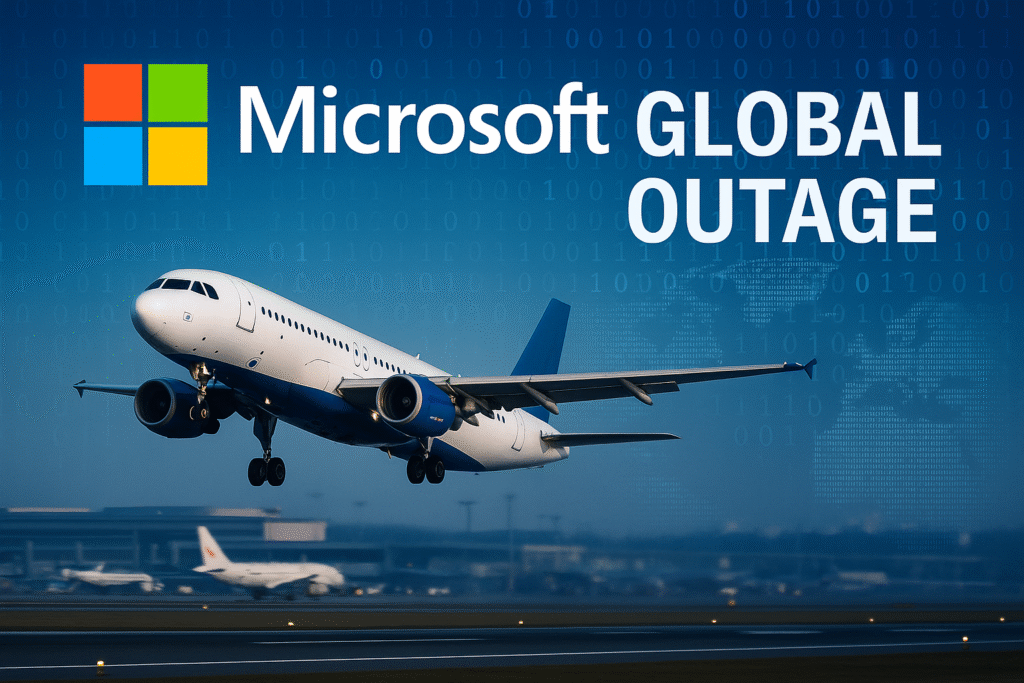
In the days leading up to July 19th, 2024, airports were operating as usual, and nothing seemed out of the ordinary. However, at around midnight, airlines, pilots, air traffic controllers, and even major aerospace companies worldwide faced an unexpected issue: a faulty update in CrowdStrike’s software caused a massive IT outage around the world. This would hit the aviation industry where it hurts most, as most planes stopped moving, all technology services froze, and passengers were left stranded. Gate agents couldn’t access their digital systems that were critical to airline operations. In addition, most passengers had their flights canceled or delayed, which impacted transfers and rebookings as the day progressed. It wasn’t a cyberattack or a catastrophic weather event. Simply, it was a software glitch, and it underscores one of aviation’s greatest vulnerabilities: its deep dependence on integrated digital infrastructure.
The outage was specifically rooted in a single update error by CrowdStrike, which is interlinked with Microsoft Windows. Most airport computers run on Windows, which is the reason why this outage affected over 8.5 million devices running Windows around the world. To add on, this meant the systems they use for almost every airport task, including flight dispatch, baggage handling, aircraft maintenance, and passenger check-in, went down. There were about 3,861 flights canceled, and 1,692 of them were of U.S. origin. Additionally, there were nearly 7,000 flights delayed because of this outage. In the U.S., this outage mainly affected major airlines such as United, Delta, and American, which were forced to pause and completely scale back operations. Overall, the aviation industry is designed to handle any issues and uncertainties in the skies, but what’s most striking is that this event occurred entirely on the ground. The incident wasn’t aviation-specific; rather, it was a general IT outage. But because of the focus and reliance on Microsoft infrastructure, the aviation sector was panicking during this time. It showed that air travel is increasingly dependent on stable, resilient software systems.
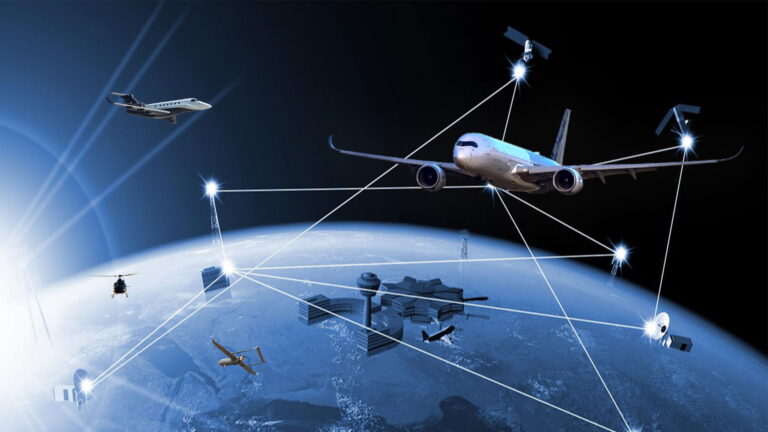
Moreover, this IT outage has raised important and concerning questions. What interests me is how easily this tech outage occurred. It wasn’t deliberate sabotage or any type of cyberattack. It was just a simple, routine update on specific software, which is something that occurs every week to most systems. I’ve always thought of aviation as one of the most precise and careful industries in the world since any mistake can result in a life-or-death situation. Therefore, that is why this situation is shocking, and I believe it reveals a critical problem: too much of the aerospace industry depends on a slim range of software tools, many of which are connected through shared platforms and services. This problem is alarming to me because when one system fails, the effect becomes global. Overall, while the shift toward a technology-oriented aviation world has made operations faster and more efficient, it has significantly increased risk in many fields. The convenience of centralizing the digital world without backups can turn into a vulnerability if that one system fails.
Lastly, there are many future solutions to this tech outage, and it should serve as a turning point for how the aviation industry combats vulnerabilities in its digitalization. Microsoft responded to this issue by implementing several solutions. They worked with CrowdStrike to develop a workaround and released fix instructions on their message center. Furthermore, hundreds of engineers were deployed to help affected customers directly, and they coordinated with cloud partners like Amazon Web Services and Google Cloud to help track the impact. Additionally, some other ways airports and the aviation industry could address this situation include spreading critical services across multiple platforms in order to reduce the risk of a single point of failure. Also, they should implement offline-ready key systems so flight dispatch or gate agents can operate at a basic level in case of any outages. Ultimately, these changes are not just about the evolution of technology and solutions for any issues that come up; they are about restoring and maintaining trust in the systems that the aviation industry utilizes daily in order to run smoothly.
In conclusion, the disastrous outage that took place on Friday, July 19th, was a clear reminder that even the aviation industry—built for safety and precision—is not immune to unexpected setbacks. Overall, moments like this should encourage the aviation industry to rethink their digital systems and their resilience. It is not just about recovering quickly and solving a problem when their systems go down; it is about designing certain operations that can fight through failures without causing systems to halt. There needs to be the same level of preparation for digital systems that the aviation world has spent on numerous other events like weather, human error, and manual malfunctions. This outage may have been resolved, but the takeaways offered should remain the primary focus as aviation continues to evolve.
Works Cited
https://blogs.microsoft.com/blog/2024/07/20/helping-our-customers-through-the-crowdstrike-outage/
https://www.cntraveler.com/story/airlines-affected-by-microsoft-outage
https://www.reuters.com/technology/frontier-says-operations-impacted-by-microsoft-outage-2024-07-19/
https://www.nytimes.com/2024/07/19/technology/microsoft-crowdstrike-outage-what-happened.html
https://www.premiercontinuum.com/resources/microsoft-outbreak-july-2024
https://www.thebci.org/news/microsoft-s-global-it-outage-strategies-to-manage-it-downtime.html