Newark’s Air Traffic Control Disaster: Turbulence in the Tower!
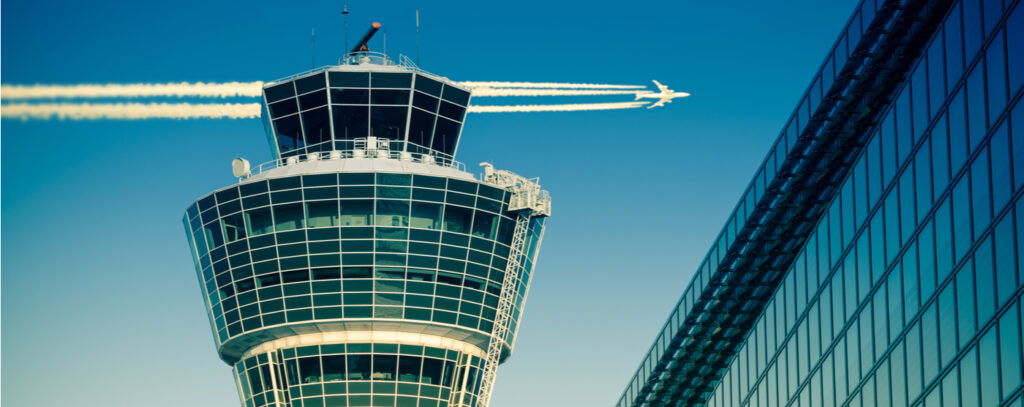
On a casual Monday evening, where planes fly in and out of Newark Liberty International Airport—which is one of the busiest airports in the country—everything seemed normal. But what was unknown to the public was that , from around 6:30 to 9:30 p.m., there was just one air traffic controller responsible for managing all departures and arrivals. No backup. No breaks. Only one person in the entire tower. Thankfully, no accidents occurred that night, but this situation raised concerns inside the FAA and among aviation experts, who warned that staff shortages are causing growing limits to the air traffic control system. It is part of a growing crisis where the safety margin is shrinking and delays are occurring more frequently—especially with the busy summer travel season beginning.
Most experts agree the air traffic control facility serving Newark is dangerously understaffed. It operates at only 58% of FAA-recommended staffing levels. Most years, it doesn’t see a net increase in the number of air traffic controllers. To add on, Newark was also ranked the worst in flight cancellations in 2024, largely due to ATC constraints. Also, there have been many telecom outages that have hindered ATC in Newark. One of the most notable examples is the recent outage on May 19, where the air traffic control facility lost radio frequencies for about two seconds. Every plane was safe, but this has caused concern within the FAA about possible solutions. Because of telecom outages, staff shortages, and New York City traffic, the FAA last year relocated Newark’s airspace to Philadelphia. Additionally, there have been many scheduled flight delays in Newark to account for the shortage in air traffic controllers. The FAA only allows 34 departures and arrivals per hour to maintain the safety of flying in Newark. All of these issues are centered around Newark’s current worst problem, which is their ATC, and the FAA is working to resolve this.
Furthermore, being an air traffic controller is incredibly challenging and requires experience as well as strong mental capacity. This is one of the reasons why I believe Newark is having major air traffic controller shortages: getting employed as an ATC requires many hard years of training and learning, as it is crucial to be precise and unerring in order for all planes to remain safe. My curiosity in Newark’s ATC problem isn’t just about the delays or the shortages; rather, it’s what this symptom reveals about the vulnerability of the entire system. Overall, Newark is one of the most important airports in the U.S., as it is a major hub for international flights, serving millions of passengers. Yet, it has to deal with aging systems and telecom outages. I believe this is a systematic problem, and the FAA has been slow to adapt and make any significant changes that could resolve these important issues. Meanwhile, pressure is gradually growing on individual air traffic controllers, which increases the risk of mistakes and burnout. In 2025, there has been an increase in fatalities caused by plane crashes compared to previous years, including the plane crash in Washington, D.C., which was the nation’s deadliest aviation disaster in over 25 years.
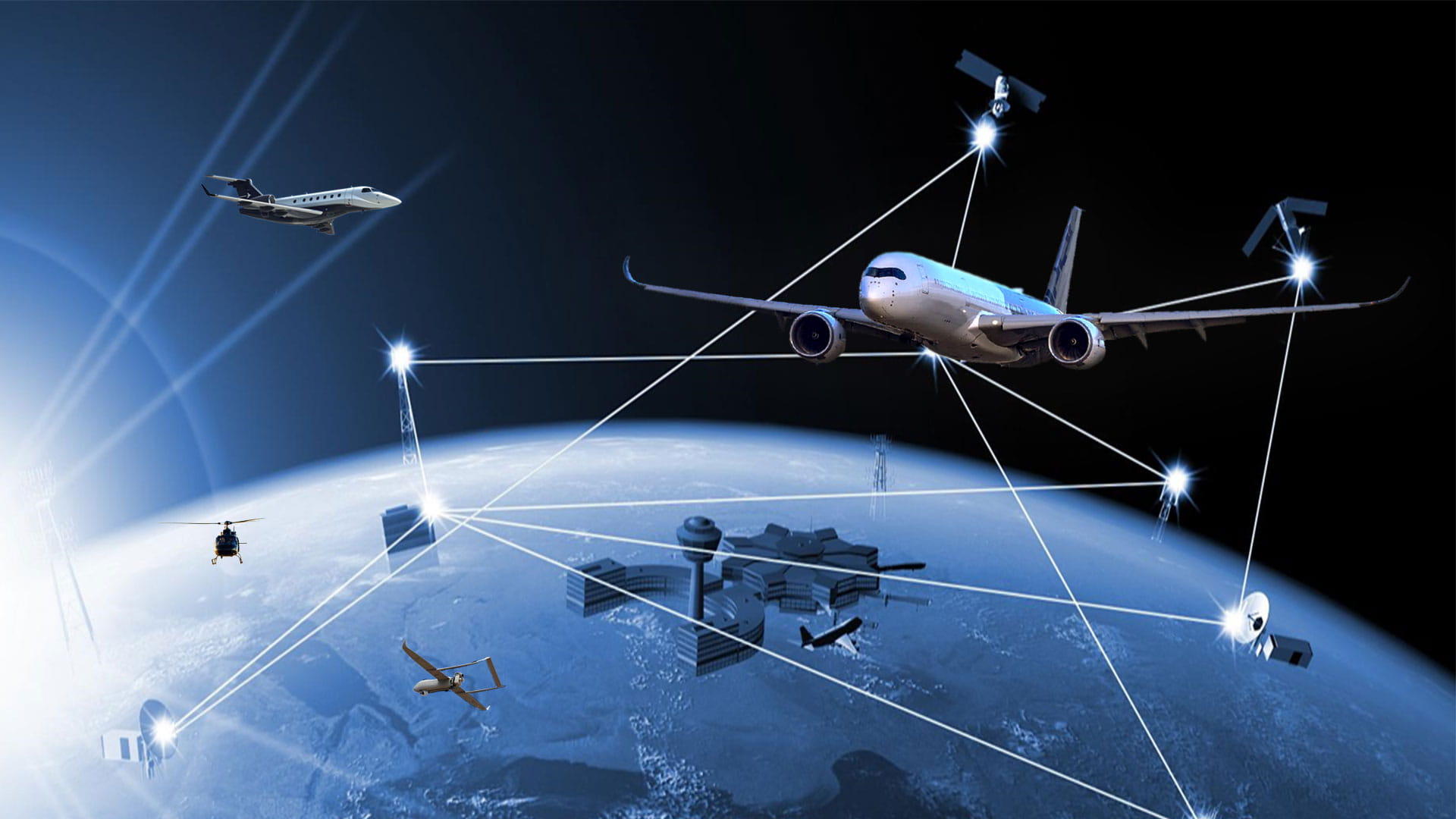
Lastly, the FAA is trying to resolve this issue through an ambitious hiring initiative over the next two years, which aims to significantly increase the number of certified controllers nationwide. This could cause conflict, as controllers must undergo rigorous years of training before they can become individual controllers—something that cannot be rushed. Overall, I think the FAA can address these issues by enhancing its operations and strengthening its response to the ongoing ATC crisis by improving its systems. One way that can help the FAA achieve its goals is through automation and AI-assisted systems. Specifically, these tools can support runway sequencing, traffic separation, and predictive direction routing, allowing controllers to manage more planes safely while using less manual input. For instance, the success of remote towers in Europe shows how the FAA can implement this technology to modernize outdated facilities.
In conclusion, Newark’s ATC problems are not solely a staffing issue. It has progressed to a warning sign, unfortunately, as it is getting increasingly worse. Without meaningful investment and major innovation from the entire aviation industry, other major U.S. airports could face similar threats. Ultimately, the FAA must step in and act decisively to embrace modern technological tools and strategies to restore public trust in safe and efficient air travel for the foreseeable future.
Works Cited
https://www.washingtonpost.com/technology/2025/05/13/newark-airport-air-traffic-controllers-shortage
https://www.cnn.com/2025/05/21/business/airline-woes-summer-travel-season
https://reason.org/commentary/main-causes-air-traffic-control-problems-newark-airport/
https://www.faa.gov/newsroom/faa-statements-newark-liberty-international-airport
https://www.fox4news.com/news/deadly-plane-crashes-2025-timeline